The Myth of Multitasking
Distracted driving is any activity that diverts attention from driving, including talking or texting on your phone, eating and drinking, talking to people in your vehicle, fiddling with the stereo, entertainment, or navigation system — anything that takes your attention away from the task of safe driving.
The Myth of Multitasking
 You may drive every day. You probably talk on the phone every day. But when driving, you should not do both. Your brain uses the same part to drive as it does to have a conversation. So when doing them at the same time, your brain is unable to do either well. This can result in crashes due to missed traffic signals and delayed braking times. GREAT MULTITASKING LIE
Even hands-free phones do not resolve the situation. When talking hands-free, drivers can miss seeing up to half of what’s around them because they are engaged in a cell phone conversation.
Cell Phone Crashes are Under-reported
We know cell phone-related car crashes are a problem. We just don’t know how big the problem is. Unfortunately, no breathalyzer-like test exists for cell phone use behind the wheel, and drivers in crashes are often reluctant to admit use. This creates a huge gap in the data. LEARN ABOUT THE CHALLENGES
Texting Tragedy
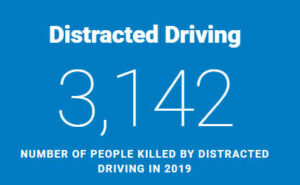 96% of people think texting while driving is dangerous – yet 44% do it! And voice-to-text is not safer – it may distract you longer than texting.
Nothing is more important than getting to your destination safely. Use your phone and other technology only when you are safely parked.
Take the pledge
The fight to end distracted driving starts with you. Make the commitment to drive phone-free today.
- Protect lives by never texting or talking on the phone while driving.
- Be a good passenger and speak out if the driver in my car is distracted.
- Encourage my friends and family to drive phone-free.
#justdrive
Facts provided by the National Safety Council
and the National Highway Safety Administration